The Connection Between Diet and Skin Health
The old saying "you are what you eat" holds particularly true when it comes to your skin. The foods you consume daily have a profound impact on your skin's appearance, elasticity, and overall health. A diet rich in whole foods, antioxidants, and essential nutrients provides the building blocks your skin needs to repair itself, fight inflammation, and maintain a youthful glow. Conversely, a diet high in processed foods, sugar, and unhealthy fats can contribute to acne breakouts, premature aging, and a dull complexion.
Incorporating plenty of fruits and vegetables into your diet is one of the most effective ways to support skin health. These foods are packed with vitamins, minerals, and antioxidants that protect your skin from environmental damage and promote collagen production. Vitamin C, found abundantly in citrus fruits, berries, and leafy greens, is essential for producing collagen, the protein that keeps your skin firm and elastic. Vitamin E, present in nuts, seeds, and vegetable oils, helps protect your skin from oxidative stress. By making conscious food choices, you can nourish your skin from the inside out and achieve a natural, healthy glow.

Nutrition plays a vital role in skin health
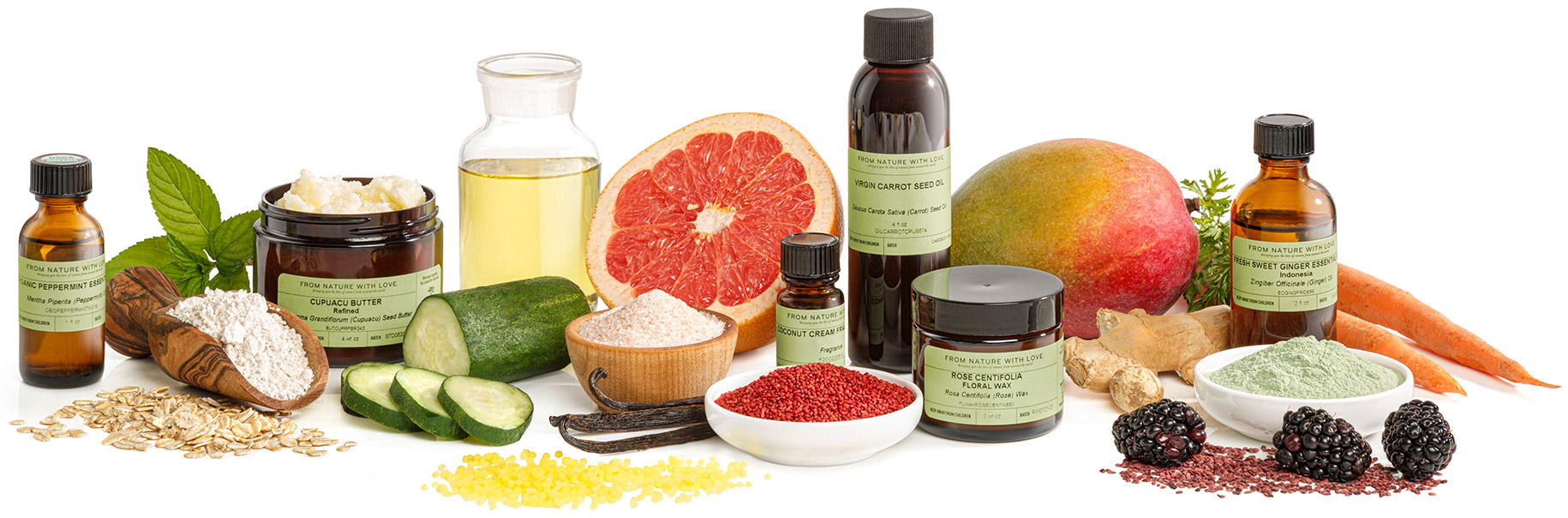
Natural ingredients support skin wellness
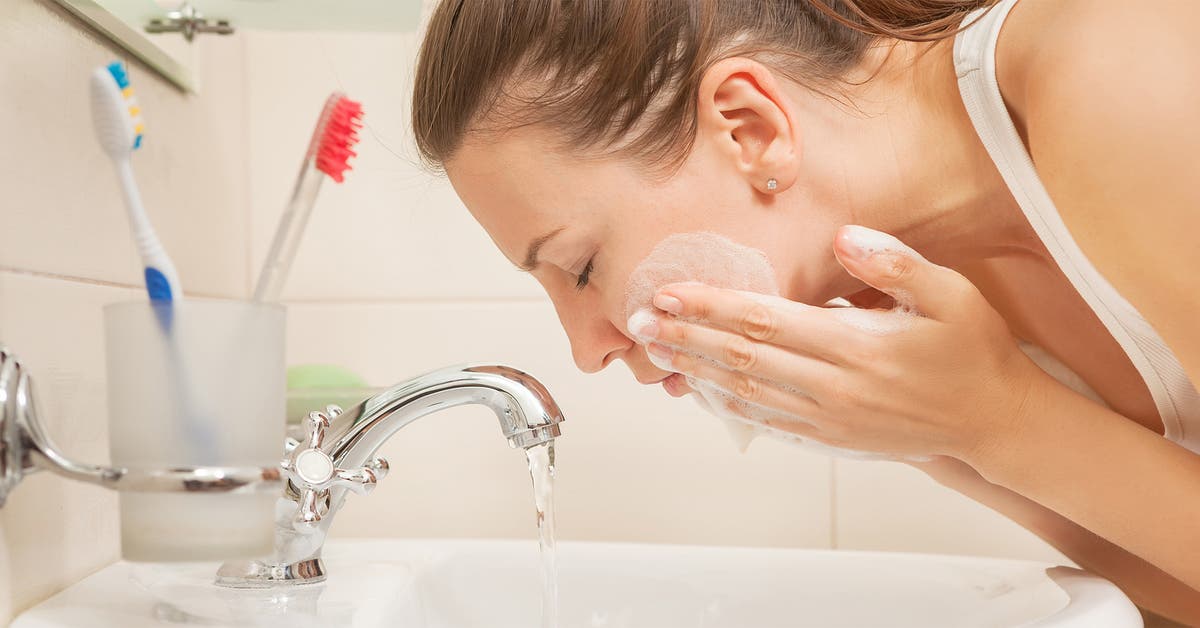
Consistent skincare routines build healthy habits
Managing Stress for Better Skin
Stress is one of the most overlooked factors affecting skin health. When you experience stress, your body releases cortisol, a hormone that can increase oil production in your skin and trigger inflammation. This can lead to acne flare-ups, eczema breakouts, and other skin conditions. Additionally, stress can disrupt your sleep patterns, which is when your skin undergoes its most intensive repair and regeneration processes. Learning to manage stress effectively is therefore essential for maintaining healthy, clear skin.
There are numerous stress management techniques that can benefit both your mental well-being and your skin. Regular exercise helps reduce stress hormones while improving circulation, which delivers more oxygen and nutrients to your skin. Meditation and deep breathing exercises can lower cortisol levels and promote relaxation. Prioritizing quality sleep allows your skin to repair itself effectively. Taking time for self-care activities that you enjoy, whether it's reading, gardening, or spending time with loved ones, can significantly reduce stress levels and reflect positively on your skin.

Relaxation techniques benefit skin health

A holistic approach includes mental wellness
Building an Effective Skincare Routine
Establishing a consistent skincare routine is fundamental to achieving and maintaining healthy skin. The basics of any effective routine include cleansing, toning, moisturizing, and sun protection. Cleansing removes dirt, excess oil, and impurities that accumulate on your skin throughout the day and night. Choosing a cleanser appropriate for your skin type is essential, as using the wrong product can strip your skin of essential oils or fail to address your specific concerns.
Toning helps balance your skin's pH levels after cleansing and prepares it to absorb subsequent products more effectively. Moisturizing locks in hydration and strengthens your skin's protective barrier. Even oily skin needs moisturizer, as dehydration can trigger increased oil production. Sunscreen is perhaps the most crucial step in any skincare routine, as UV damage is the primary cause of premature aging and can lead to skin cancer. Applying a broad-spectrum sunscreen with at least SPF 30 every day, regardless of the weather, protects your skin from harmful UV rays and maintains its health and youthfulness.
The Importance of Sleep for Skin Recovery
Sleep is often called beauty sleep for good reason. During sleep, your body goes into repair mode, producing new skin cells and repairing damage from environmental exposures. This is why a good night's sleep can leave you looking refreshed and radiant, while sleep deprivation often results in dull, tired-looking skin with dark circles under the eyes. Adults typically need seven to nine hours of quality sleep per night for optimal skin health.
Beyond the quantity of sleep, the quality of your sleep also matters for your skin. Sleeping with makeup on can clog pores and prevent your skin from breathing and regenerating properly. Changing your pillowcase regularly prevents the buildup of bacteria and oils that can cause breakouts. Sleeping on your back rather than your face can help prevent the formation of sleep lines and wrinkles. Creating a relaxing bedtime routine and maintaining consistent sleep schedules supports both your overall health and your skin's natural repair processes.
Sleep Tips for Better Skin
Aim for 7-9 hours of sleep each night, remove makeup before bed, use clean pillowcases, and sleep on your back to minimize wrinkle formation. Consider using silk pillowcases to reduce friction on your skin.
Hydration and Skin Health
Proper hydration is essential for maintaining supple, healthy-looking skin. Water helps flush toxins from your body, transports nutrients to skin cells, and maintains skin elasticity. When you're well-hydrated, your skin appears plumper and more radiant, while dehydration can lead to dry, flaky skin and accentuate fine lines. While topical moisturizers help seal in hydration, drinking adequate water throughout the day supports skin health from within.
The general recommendation is to drink at least eight glasses of water per day, though individual needs vary based on factors like activity level, climate, and diet. Eating water-rich foods like cucumbers, watermelon, and oranges can contribute to your hydration goals. Limiting caffeine and alcohol consumption is also beneficial, as these substances can have diuretic effects that lead to dehydration. If you struggle to drink enough water, try carrying a reusable water bottle, setting reminders, or infusing your water with fruits for added flavor.
Eat Your Water
Include water-rich foods in your diet such as cucumbers, watermelon, oranges, and lettuce. These foods not only hydrate your skin but also provide essential vitamins and minerals.
Exercise Regularly
Physical activity increases blood flow, delivering oxygen and nutrients to your skin while helping flush out toxins. Aim for at least 30 minutes of moderate exercise daily.
Protect from Pollution
Environmental pollutants can damage your skin. Consider using skincare products with antioxidants and washing your face when returning home from polluted areas.
Understanding Your Skin Type
Knowing your skin type is the foundation of effective skincare. The main skin types are normal, oily, dry, combination, and sensitive, each requiring different care approaches. Normal skin has a good balance of oil and moisture, with small pores and few blemishes. Oily skin produces excess sebum, leading to enlarged pores and a shiny appearance, particularly in the T-zone. Dry skin lacks moisture and may feel tight or flaky.
Combination skin features both oily and dry areas, typically with an oily T-zone and drier cheeks. Sensitive skin reacts easily to products or environmental factors, often becoming red or irritated. Understanding your skin type helps you choose appropriate products and avoid ingredients that may cause adverse reactions. If you're unsure about your skin type, consult a dermatologist who can provide professional assessment and recommendations tailored to your specific needs.